Insights & Resources For Homeowners
Check out our articles and resources to learn more about keeping your Triangle lawn lush, healthy, and easy to maintain. We’re sharing expert tips, seasonal guides, and the latest news to help you get the best yard on the block!
Learn when to fertilize your lawn in Raleigh, NC. Proper timing depends on grass type and seasonal growth. Understanding when bermudagrass and tall fescue lawns respond to fertilizer can help support consistent lawn health throughout the growing season.
Why do some Triangle lawns turn green faster in spring? Soil temperature, grass type, sunlight, and fall root strength all affect timing. Learn what drives early color in Raleigh and surrounding neighborhoods.
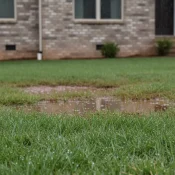
Is spring rain helping your lawn grow or quietly causing problems? In the Triangle, heavy rain can impact roots, weeds, and turf health before you notice. Understanding how clay soil, drainage, and seasonal timing affect your yard can help you prevent stress before it turns into visible damage.
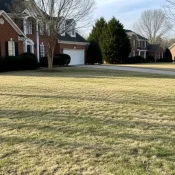
If your lawn looks off in early spring, you’re not alone. Many Triangle lawns experience patchy color and slow green-up as soil temperatures warm and Bermuda grass begins its seasonal recovery.
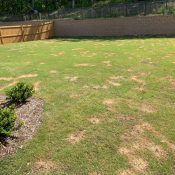
Patchy lawns in April are common across the Triangle as Bermuda grass wakes up more slowly than weeds and winter-stressed areas. Most lawns are not dead. With proper timing and soil support, they recover naturally as spring progresses.
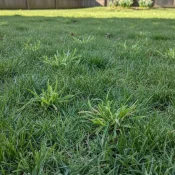
Spring weed control takes more than pre-emergent treatments. Timing, soil conditions, and early follow-up determine whether weeds stay controlled or return as the season progresses.
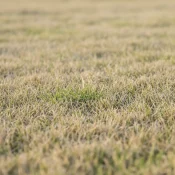
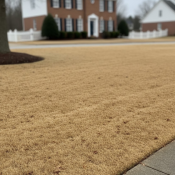
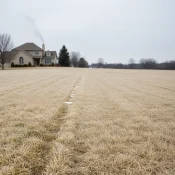
Most winter lawns in the Triangle are dormant, not dead. Dormant grass is alive below the surface and recovers as soil temperatures rise, while dead grass does not regrow.
Lawn disease in the Triangle is common because warm temperatures, humidity, and prolonged moisture create ideal conditions for fungal growth. Early identification and proper timing are key to recovery.
Spring lawn care in the Triangle is all about timing. Learn what to do from March through May to prevent weeds, support strong root growth, and prepare your lawn for a healthy, resilient growing season.
Your lawn may look quiet during winter, but the care you give it now matters. Discover six smart dormant lawn care steps that help your grass recover from winter and transition smoothly into spring growth.
Discover the best winter activities in Raleigh, Durham, and Chapel Hill, plus expert late-winter lawn care tips to prepare your yard for a strong, healthy spring across the Triangle.
Winter may look quiet, but it’s the best time to rebalance your lawn’s soil. A professional winter lime treatment helps correct acidity, strengthen roots, and set the stage for healthier spring growth across Triangle lawns.
Winter lawn fertilization gives Triangle lawns a hidden advantage. By feeding roots in January, you strengthen turf, improve spring green-up, and build resilience before weeds and heat arrive.
Winter may seem quiet for your lawn, but the choices you make now will shape how healthy it looks in spring. Simple mistakes like ignoring leaves, walking on frozen grass, or skipping winter treatments can cause lasting damage. Learn how to avoid these issues and keep your lawn strong through the colder months with expert tips tailored to the Triangle’s climate.
Winter annual weeds grow quietly in Triangle lawns before spring. Early treatment in fall and winter stops weeds like henbit and chickweed from spreading and keeps lawns across Raleigh, Cary, and Apex healthy and thick.