
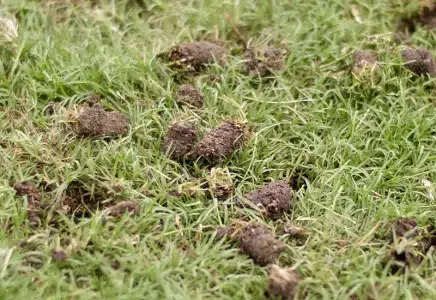
Aeration gives compacted soil some much-needed breathing room. But once those little plugs of soil are scattered across the yard, it’s not always obvious what should happen next.
Do you fertilize right away? Does overseeding change the plan? And what should you do in the days and weeks that follow?
The order matters. Here’s how aeration, fertilizing, and overseeding can work together without turning your lawn-care routine into a guessing game.
The Short Answer: Fertilize After Aeration
In many cases, fertilizing after aeration is the way to go. Core aeration creates openings in the lawn that can help applied nutrients move into the soil and reach the root zone.
That doesn’t mean aeration automatically calls for whatever fertilizer happens to be sitting in your garage. Your grass type, soil conditions, and overseeding plan should all influence what comes next.
Think of aeration as setting the stage. Fertilizer can be the next act, but only if it’s the right one for your lawn.
Why Does Aeration Make a Difference Before Fertilizing?
Foot traffic, pets, lawn equipment, and everyday use can gradually pack soil particles closer together. This soil compaction leaves less room for air and water to move below the surface and can make it harder for grass roots to spread.
That’s especially relevant around Raleigh, Apex, and other parts of the Triangle, where clay-heavy soil is common. Clay soil isn’t automatically a problem, but once it becomes compacted, roots have a tougher job ahead of them.
Core lawn aeration removes small plugs of soil and leaves aeration holes throughout the turf. Those temporary openings create new pathways into the ground, which is why aerating before fertilizing can be useful.
And those little soil plugs scattered everywhere? Let them be. They may not win any beauty contests, but they’ll gradually break apart on their own.
Should You Overseed Before or After Fertilizing?
If you’re doing both, overseed first and fertilize afterward.
Aeration gives grass seed more opportunities to reach exposed soil rather than getting hung up in thick turf or thatch. That seed-to-soil contact is important for germination.
You don’t necessarily need to seed the entire yard, either. Focus on areas where the turf is thin, patchy, or bare. If part of the lawn is already growing thick and strong, piling more seed onto it probably isn’t doing you any favors.
Seed selection matters, too. Tall fescue is common in cool-season Triangle lawns, but the grass already growing in your yard should guide your choice. Sun exposure, shade, drainage, and foot traffic can also affect which seed makes sense.
Once the seed is spread, you’re ready to move on to fertilizer.
What Fertilizer Should You Use After Aeration?
For an established lawn that isn’t being overseeded, the fertilizer should match the nutrient needs of the existing turf. A soil test can tell you more about nutrient levels and pH, so you’re not feeding the lawn blindly.
If you’re establishing new grass, starter fertilizer may be appropriate. Starter fertilizers are made to support young grass as roots begin developing.
Whatever product you choose, follow the application rate on the label. Sprinkling on an extra layer won’t make your grass grow twice as fast. Too much fertilizer can damage turf and leave you with another lawn problem to solve.
Your lawn needs the right nourishment, not extra stuff it can’t use.
What Should You Do Right After Aerating and Fertilizing?
Once the main work is finished, the next couple of days are mostly about letting the lawn settle in.
If you added grass seed, water the area carefully after everything has been applied. You want enough moisture to support the newly seeded lawn without creating runoff that can carry seed away.
This is also a good time to keep activity on the lawn to a minimum. Repeated foot traffic can disturb newly seeded areas before they’ve had a chance to establish. Kids, dogs, and anyone using the yard as a shortcut may need to take the scenic route for a bit.
Beyond that, avoid constantly fussing with the lawn. You’ve already done the work. Give it some time to respond.
How Should You Care for Your Lawn in the Weeks After Aeration?
If you overseeded, the first few weeks are all about helping those seedlings get established.
Keep the upper layer of soil consistently damp while germination is underway. Weather will affect how often you need to water, so pay attention to the soil rather than automatically following the same schedule every day.
As the new grass develops stronger roots, begin shifting toward deeper, less frequent watering. This encourages roots to grow farther into the ground instead of staying close to the surface.
Mowing can resume once the new grass reaches the appropriate height for its type. Use a sharp mower blade and don’t take off too much at once.
As the lawn matures, go back to your normal care routine for your turf type and season.
What Can Go Wrong After Aerating and Fertilizing?
A freshly aerated lawn doesn’t need a bunch of extra attention. In fact, doing too much can create problems.
Be careful with weed-control products if you’ve also seeded. Some herbicides can interfere with germination or damage young grass, so check the product label before applying anything to newly seeded turf.
Watering is another area where homeowners can run into trouble. Heavy watering can wash seed out of place or leave the ground overly saturated. On the other hand, allowing freshly seeded soil to dry out can slow or prevent germination.
Then there’s mowing. Bringing the mower back too soon can stress young seedlings before their roots are ready for the disturbance.
After putting so much work into your lawn, it can be tempting to keep tinkering with it. But sometimes the smarter move is to leave the grass alone and let it grow.
When Is the Best Time to Aerate and Fertilize Your Lawn?
Timing depends largely on the type of grass you have. Cool-season grasses such as tall fescue generally benefit from aeration during their active fall growing period, when they have time to recover before winter.
Warm-season grasses follow a different schedule and are typically aerated while they’re actively growing in late spring or summer. Fertilizer timing should follow the growth cycle of your grass as well.
That’s why copying your neighbor’s lawn-care calendar can backfire. Two yards on the same street can need different timing if they’re growing different types of grass.
Frequently Asked Questions About Fertilizing After Aeration
How Long Does It Take for a Lawn to Recover From Aeration?
Your lawn may look a little rough immediately after core aeration, especially with soil plugs scattered across the surface. That appearance is temporary. How quickly the turf looks normal again depends on growing conditions, grass type, weather, and the overall health of the lawn.
Does Aeration Damage Healthy Grass?
No. Aeration is designed to improve growing conditions, not damage healthy turf. You may see temporary disruption where soil was removed, but established grass should continue growing around those openings. Aerating at an appropriate time for your grass type also helps the lawn recover more smoothly.
Does Every Lawn Need to Be Aerated Every Year?
Not necessarily. How often a lawn benefits from aeration depends on how compacted the soil becomes. Lawns with heavy clay soil, frequent foot traffic, or other sources of compaction may need attention more often than lawns where soil stays loose and drains well.
Instead of aerating simply because another year has passed, listen to your lawn.
Does Rain Affect Fertilizer Applied After Aeration?
Light rain after fertilizing can help move nutrients into the soil. Heavy rain is a different story. A downpour soon after application can cause fertilizer to wash away or collect unevenly across the lawn. Check the forecast before applying fertilizer, and always follow the product label for watering instructions.
Get Help With Aeration and Fertilizing Your Triangle Lawn
Clay soil can be stubborn. But when you add Raleigh-area weather, everyday foot traffic, and different grass needs to the mix, things can get complicated fast.
Triangle Lawn Care takes a closer look at what your grass and soil actually need before recommending treatment. Our services include aeration, overseeding, soil testing, fertilization, and other lawn-care options for properties throughout the Triangle.
Select lawn-care plans also include an unlimited warranty for extra support during the season.
Ready to stop guessing? Request a free estimate from Triangle Lawn Care and get a lawn-care plan built around what’s actually happening in your yard. We’ll help you figure out the right next step for healthier, stronger turf.