

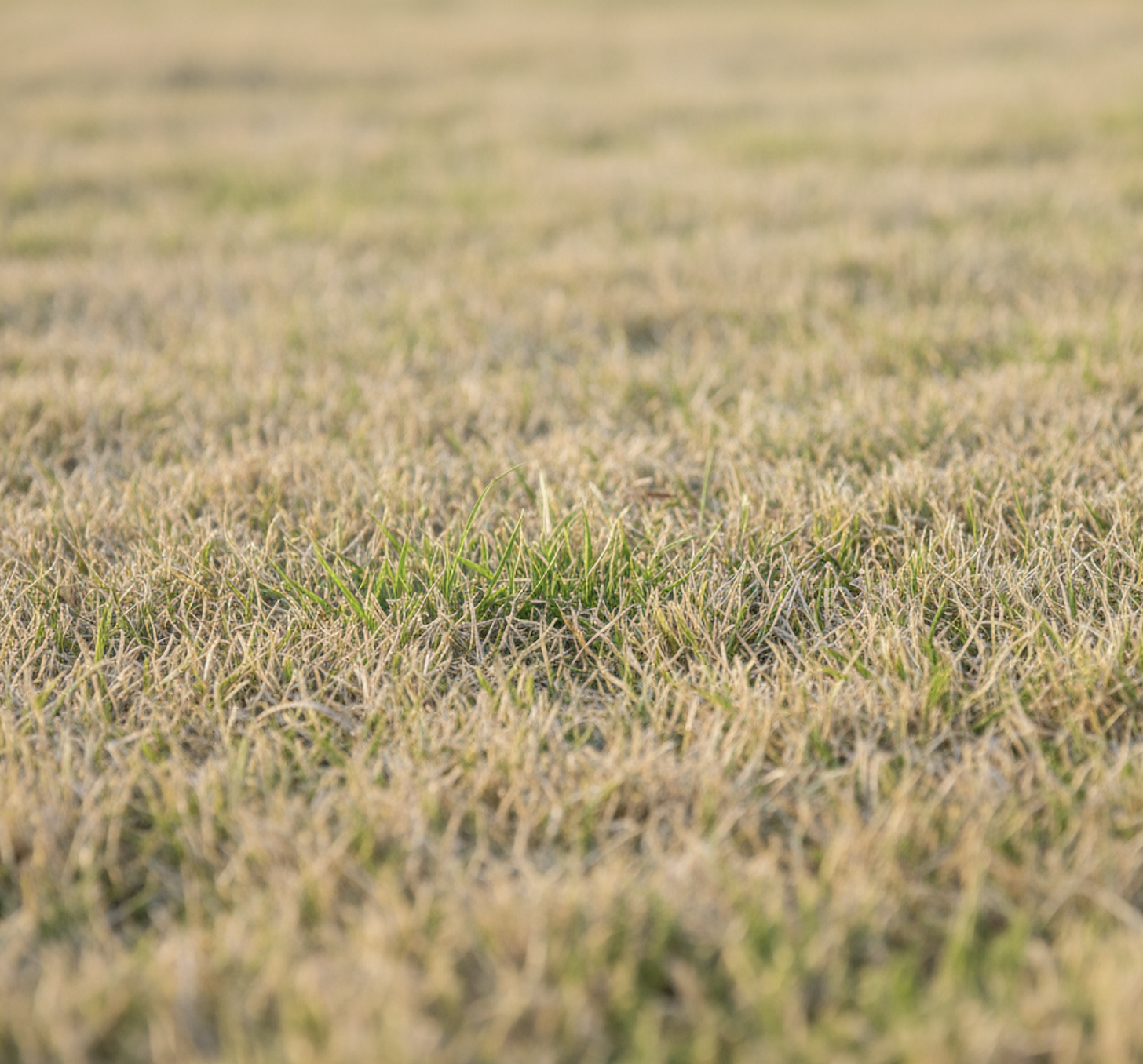
The first spring lawn problems in the Triangle are patchy Bermuda grass, early weed pressure, and slow green-up caused by cool soil temperatures and winter stress.
These issues usually appear before Bermuda grass is actively growing, which makes many lawns look worse than they actually are.
This guide explains what shows up first in Triangle lawns, why it happens, and when action actually helps.
In the Raleigh, Durham, and Chapel Hill area, mild winters and early weed pressure often make spring lawn problems appear sooner and more uneven than homeowners expect.
Common Spring Lawn Problems in the Triangle
The most common early spring lawn issues include:
- Patchy or thin Bermuda grass
- Pale or yellowing turf
- Weeds appearing before grass greens up
- Bare or slow-filling areas
- Uneven growth across the lawn
These problems are normal in early spring, but the cause determines the solution.
Why Do Triangle Lawns Look Patchy in Early Spring?
Triangle lawns look patchy in early spring because Bermuda grass greens up later than surrounding vegetation.
In March and early April, soil temperatures are still warming. Bermuda growth lags behind areas stressed by winter, which can make lawns look thin, uneven, or discolored even when the grass is healthy and beginning to recover.
What this means: patchiness alone does not indicate dead grass. Most Triangle lawns need time and soil support, not aggressive treatments.
According to NC State TurfFiles, Bermuda grass typically enters active growth later in spring, which explains why early season lawns often look worse before they improve.
What Causes Yellow or Pale Grass in Spring?
Yellow or pale grass in spring is caused by cool soil temperatures, limited nutrient uptake, and lingering winter stress.
Even when nutrients are present, roots absorb them slowly in cool soil. Compacted or poorly drained areas often show color later than sunnier, well-drained sections.
Common spring patterns:
- Sunny areas green up first
- Shaded or compacted areas lag
- Color improves steadily as soil warms
Why Do Weeds Appear Before Grass Greens Up?
Weeds appear first because many cool-season weeds grow at lower soil temperatures than Bermuda grass.
This makes it look like weeds are taking over, even though Bermuda grass has not entered its growth cycle yet.
Applying weed control too early or too aggressively can slow Bermuda recovery, which is why timing matters.
Can Lawn Diseases Cause Spring Damage?
Yes. Winter and early spring diseases can leave behind visible damage even after activity stops.
For Bermuda lawns, issues like large patch may stop spreading as temperatures rise but still leave thin or weakened turf that needs recovery support.
These areas respond best to soil improvement and proper timing, not repeat treatments.
When Should Triangle Homeowners Take Action?
The best time to act depends on soil temperature and growth stage, not the calendar.
These timeframes reflect typical conditions in the Triangle, not exact treatment dates. Soil temperature and turf response should always guide action.
Typical Early Spring Lawn Care Timing in the Triangle
This table outlines what is normal in early spring lawns across the Triangle and when professional attention may be helpful.
| Early Spring Timing | What’s Normal | What Needs Attention |
| Early March | Patchy color | Drainage or compaction |
| Late March | Weed visibility | Pre-emergent timing |
| Early April | Slow green-up | Nutrient planning |
| Late April | Uneven growth | Recovery treatments |
The key to early spring lawn care is knowing what’s normal, what’s not, and when support actually helps.
What to avoid: forcing early growth with heavy fertilizer or blanket weed treatments before Bermuda grass is actively growing.
How Triangle Lawn Care Handles Spring Lawn Problems
Triangle Lawn Care focuses on supporting Bermuda grass recovery, not forcing early growth.
Our spring approach includes:
- Evaluating soil and growth stage
- Controlling weeds without stressing turf
- Supporting root recovery
- Adjusting timing to Triangle climate patterns
FAQs
- What spring lawn problems appear first in the Triangle? Patchy Bermuda grass, early weed pressure, and slow green-up appear first due to cool soil temperatures and winter stress.
- Is patchy grass in early spring dead? No. Most patchy spring lawns are dormant or stressed and will recover as soil temperatures rise.
- Should I treat weeds as soon as I see them? Not always. Early weed control must be timed carefully to avoid slowing Bermuda grass recovery.
If your lawn looks uneven or slow to recover this spring, a professional evaluation can help determine what’s normal and what needs support.