


This Raleigh winter guide shows you how to enjoy winter across the Triangle while getting your lawn ready for spring.
At Triangle Lawn Care, we don’t just wait for spring. We use these quiet weeks to execute the critical underground plan that ensures your lawn will thrive. While you’re enjoying local life, we’re handling the hard part: getting your lawn strong and ready for its best spring yet.
In this guide, you’ll find:
- The best local indoor spots to enjoy winter in the Triangle
- Outdoor activities to keep you moving
- Expert-approved late-winter lawn care steps for North Carolina homeowners
Here’s your guide to making the most of the Triangle this late winter!
Indoor Fun & Culture
Discover family-friendly museums and local experiences that make cold days feel warm and inspiring. From hands-on science exhibits to art galleries and historic landmarks, the Triangle offers the perfect mix of fun, learning, and local culture all winter long.
- Raleigh Museums: You can easily spend all day downtown. Head to the North Carolina Museum of Natural Sciences to see dinosaurs, massive whale skeletons, and exhibits that span millions of years of natural history and local ecology. Then, pop right next door to the North Carolina Museum of History, where you can explore everything from the state’s earliest settlements to its legacy in sports and industry. General admission is free at both. These museums, located near the historic State Capitol Building, provide a full day of activity for visitors of all ages in the heart of the “City of Oaks.”
- Art and History: The North Carolina Museum of Art (NCMA) is a relaxing spot for a quiet afternoon. The museum features extensive collections ranging from ancient European masters to contemporary American pieces. For local architectural history, visit the North Carolina State Capitol building, a stunning example of Greek Revival design that anchors the city’s government center.
- Family Fun in Durham: Visit the massive and interactive Museum of Life and Science in “The Bull City.” It’s perfect for letting the kids run off some energy. The museum features a two-story science center, a massive aerospace exhibit, and is a centerpiece of cultural education in Durham.
- Indoor Gaming: For a Parents’ Night Out, Boxcar Bar + Arcade in Raleigh and Durham offers rows of classic arcade games, pinball, and skee-ball, all with a great local beer selection. It’s a fun way to unwind in neighborhoods like Glenwood South or near the American Tobacco Campus.
Food, Drink & Indoor Thrills
Warm up with local food, coffee, and craft beer favorites across the Triangle this winter.
Late winter is the best time to settle into a warm spot, grab a craft drink, or meet up with friends for an indoor challenge.
- Seasonal Dining: Look for local dining events like Triangle Restaurant Week (usually late January or early February) for a chance to try new, acclaimed local spots at special, fixed-price menus. This is a favorite tradition for food lovers across Raleigh, Durham, and Chapel Hill. Renowned restaurants like Angus Barn, Death & Taxes, and Acme Food & Beverage Co. often participate, offering fine dining experiences without breaking the bank.
- Local Coffee: Find a comfy chair for coffee and a fresh pastry at a local hub like Jubala Coffee when you need a warm-up. The Triangle’s coffee scene, from Raleigh’s Five Points area to downtown Chapel Hill, is perfect for cozying up with a good book or catching up with a friend.
- The Brewery Scene: Warm up from the inside out. Grab a quick flight at Crank Arm Brewing in Raleigh, which blends urban bike culture with innovative craft beer. Or check out the impressive variety of local brews on tap at the multi-story Raleigh Beer Garden, known for having one of the world’s largest draft selections.
- Unique Indoor Thrills: Head to Triangle Rock Club for climbing, with facilities offering routes for all skill levels. Or take younger kids to Notasium in Durham for music-based play spaces designed for children to explore sound and movement indoors.
Outdoor Activities & Pre-Spring Check
Take advantage of sunny winter days to explore local trails and see how your yard is holding up before spring. This Raleigh Winter Guide is all about making the most of mild winter days by exploring local trails, staying active, and getting your lawn ready for spring.
Those mild 50-degree afternoons are perfect for getting outside, enjoying fresh air, and spotting any areas that might need early attention.
- Ice Skating: Outdoor rinks like The Rink at Red Hat Amphitheater in downtown Raleigh or Skate the Square in Cary’s Fenton remain open through late February, offering a fun way to enjoy the crisp air and city views.
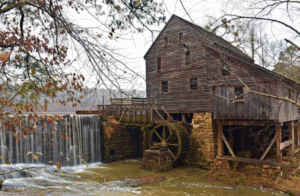
- Greenway Walks: Bundle up and take advantage of the quiet miles of trails. Visit William B. Umstead State Park, sandwiched between Raleigh and Cary, or stroll the scenic path around Historic Yates Mill County Park, one of Raleigh’s most picturesque winter spots. These green spaces are a treasure for homeowners in Apex, Preston, Lochmere, and Morrisville.
- Clean Up Debris & Disease Prevention: This is a non-negotiable step. Heavy leaves and debris can smother your grass over the winter, leading to disease and weak spots. Give your lawn one last thorough clearing to ensure it can breathe before spring growth begins. Proper debris removal is critical for preventing fungal diseases like snow mold, especially when cool-season grass is under stress.
Your Late-Winter Lawn Action Plan
Learn the three key steps to protect your lawn before spring: feeding, pre-emergent control, and soil health.
Featured Tip: In North Carolina, late-winter lawn care means fertilizing fescue roots, applying pre-emergent herbicide before soil temperatures reach 55°F, and clearing debris to prevent fungal disease.
The window for maximum effectiveness is now. Your cool-season grass is actively storing energy for the year. This is the ideal time to focus on essential, non-negotiable prep steps.
Our TLC lawn care plans are designed around these exact seasonal needs. Each plan, from TLC Plus to TLC Premier, includes properly timed treatments for late-winter feeding, pre-emergent protection, and soil conditioning. It is science-based care tailored to North Carolina lawns, so you never have to guess what your yard needs.
- Late-Winter Feeding for Deep Roots
Your cool-season Fescue needs its necessary late-season feeding right now to set up deep root growth. This application ensures the roots have the carbohydrate reserves needed to survive the stress of summer. According to NC State Extension’s Turfgrass Maintenance Calendar, late-winter fertilization strengthens turf before spring heat arrives.
- Pre-Emergent Timing
The next critical step is stopping crabgrass. Pre-emergent applications should be made before the soil consistently reaches around 55°F for several consecutive days, the point when crabgrass seeds begin to germinate. According to NC State Extension research, this temperature range is the key timing indicator for successful prevention.
Quick Reference Chart:
| Soil Temperature | Recommended Action |
| Below 50°F | Prep and debris cleanup |
| 50–55°F | Apply pre-emergent |
| 55–60°F | Weed seeds begin germinating |
- Proactive Planning & Soil Health
This is the best time to check your soil’s health. Getting a soil test done now gives you ample time (6–8 weeks) to adjust the pH or nutrients before the peak spring growing season. Correcting the pH improves the efficiency of every treatment we apply. A strong, well-fed root system also helps fight off issues like Brown Patch, a fact reinforced by NC State Extension’s guide on turfgrass diseases.
According to the National Association of Landscape Professionals (NALP), soil testing at least once per year is one of the most effective ways to reduce overfertilization and improve nutrient uptake.
Triangle Homeowner Spotlight
Neighborhoods like Preston, Amberly, and Lochmere are known for their beautiful lawns and tree-lined streets but also for compacted clay soils. If you live in these areas, make sure your pre-emergent and feeding schedule is set before mid-February for the best early growth response.
Your Permission to Relax
You’ve got your list of local fun and you know exactly why winter preparation matters.
While you’re planning which museum to visit or which brewery to try next, let Triangle Lawn Care keep your lawn in peak shape through the colder months.
Book your free lawn evaluation today and start spring with a lawn that’s already ahead.
FAQ
- What month should I apply pre-emergent in Raleigh? Apply pre-emergent between mid-February and early March, before soil temperatures consistently reach 55°F. Timing may shift slightly each year depending on local weather trends.
- Is it too early to fertilize fescue in February? Not at all. In fact, February feeding strengthens the root system before the turf enters its most active spring growth phase, according to NC State Extension recommendations.
- Why is a soil test important before spring? Soil testing identifies nutrient gaps and pH imbalances that affect grass health. Adjusting soil chemistry early ensures your lawn treatments are effective throughout the growing season.