

Winter is a quiet time for your lawn, but what you do—or don’t do—during the cold months can seriously affect its health. Winter lawn care is more important than most homeowners realize. One common mistake is assuming your grass needs nothing. In reality, a few simple winter mistakes can leave you with a damaged, patchy lawn by spring. We’ll show you three of the most common blunders and how to avoid them, ensuring your lawn stays healthy and vibrant.
Why Winter Lawn Care is So Important
Your lawn may look asleep, but it’s still very much alive. In the Triangle area, many lawns are a mix of cool-season grasses like tall fescue. These grasses remain green through the winter months and are actively vulnerable to damage. Even dormant grass, which has stopped growing, has roots that are working to store energy for the coming spring. This is why proper winter care is so vital, a fact supported by the Tall Fescue Lawn Maintenance Calendar from the NC State Extension.
Mistake 1: Ignoring Leaf Buildup
A thick blanket of autumn leaves can feel cozy and festive, but it’s a huge problem for your lawn. Leaf buildup is one of the most common winter lawn care mistakes. Leaves create a dense layer that traps moisture and blocks sunlight. This perfect storm creates a breeding ground for mold and fungal diseases like snow mold, which can seriously damage your grass. Removing leaves helps your lawn breathe and ensures the soil can absorb water and nutrients.
- Leaves block sunlight, which is necessary even in winter.
- They trap moisture, promoting fungal diseases.
- The suffocated grass beneath the leaves can die completely.
Mistake 2: Walking on Frozen Grass
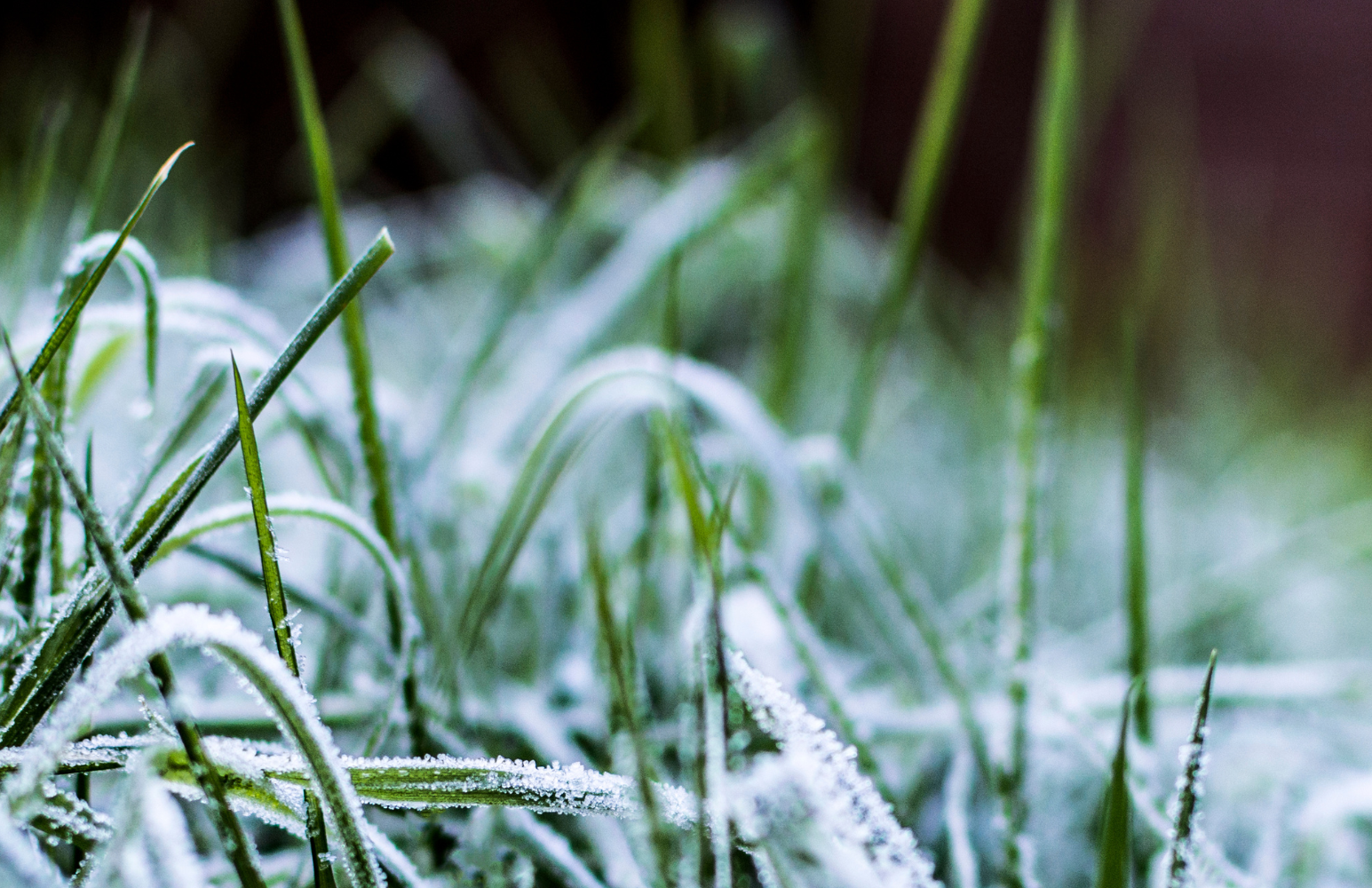
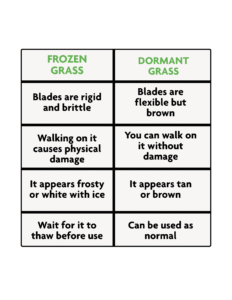
This might seem harmless, but it’s one of the worst things you can do to your lawn. When temperatures drop below freezing, the water inside the grass blades turns to ice. This makes the blades rigid and brittle. Walking or playing on frozen grass can snap the cell walls in the blades, causing permanent damage. When the ice melts, the grass where you stepped will be dead, leaving behind unsightly brown footprints that will remain until the spring. The damage can be more severe than you think, especially in high-traffic areas.
Here is a quick comparison to help you understand the difference.
Mistake 3: Skipping a Winter Lawn Care Treatment
Many homeowners believe their lawn doesn’t need anything in winter, but skipping treatment can lead to major spring problems. A winter lawn care treatment strengthens the roots and prevents winter weeds from taking over. Without this step, your lawn is vulnerable to damage and disease, and you could face a costly battle with weeds and pests in the spring. A well-timed winter treatment sets the stage for a resilient, beautiful lawn.
The Triangle Lawn Care Difference
At Triangle Lawn Care, we understand the specific needs of lawns in our local climate. From Raleigh to Durham to neighborhoods like Holly Springs, Cary, and Apex, we know exactly what local lawns need to thrive through the winter. Our science-based treatments are designed to target common winter weeds like henbit and chickweed while nourishing your grass.
Our science-based approach is so effective because we understand the life cycle of these weeds. For example, we know that a common winter weed like annual bluegrass germinates in the fall and produces hundreds of seeds that can lay dormant for years, making a professional pre-emergent treatment essential for long-term control. We also adjust our applications based on the mild and cold swings common in our area. This helps your grass survive the winter and green up faster when spring arrives.
FAQs: Winter Lawn Care
Q: Does my grass need water in the winter?
A: Generally, no. Most lawns in the Triangle get enough moisture from rain and melted snow during the winter. Over-watering can lead to fungal growth and root rot. Only water your lawn on dry days if you are experiencing a long period without rain and the ground is not frozen.
Q: When should I fertilize my lawn for winter?
A: Timing is key. A winterizing fertilizer is best applied in late fall, before the ground freezes. This final treatment delivers essential nutrients that strengthen roots, improve density, and prepare your turf for a quicker spring green-up. It’s part of the same seasonal approach we use in our bi-monthly plan to keep Triangle lawns healthy and resilient year-round.
Q: Can I put down weed killer in the winter?
A: You can, but it requires the right product and timing. For instance, pre-emergent products prevent weeds before they sprout. A professional can identify the specific weeds in your yard and apply the correct treatment at the right time, protecting your lawn from weeds all winter long.
Get Ahead of Winter Damage with Triangle Lawn Care
Winter doesn’t have to work against your yard. Whether you’re dealing with leaf buildup, frozen grass, or winter weeds, the right winter lawn care plan keeps your yard resilient all season long. Our science-based approach is tailored to the unique climate patterns in Raleigh, Cary, Holly Springs, Apex, and surrounding neighborhoods. With targeted treatments and soil-focused care, we help your lawn stay protected now and come back stronger in the spring.
- Want a healthier lawn next spring? Don’t wait until it’s too late. Book your free lawn evaluation today to get ahead of winter damage!
- A little effort now saves you a lot of work later. Transform your yard with a science-based plan from the experts. Get a head start on spring.
- Protect your lawn and transform your yard with TLC Premier. Contact us today to learn more about our comprehensive lawn care plans!