

How Winter Annual Weeds Sneak Into Triangle Lawns
Winter annual weeds are some of the most overlooked lawn invaders in North Carolina. Most people don’t realize their lawn’s biggest weed problem starts long before spring. These weeds grow quietly all season, maturing between late fall and early summer. By the time you see flowers, they’ve already dropped seeds for next year. That’s why timing your treatment makes all the difference.
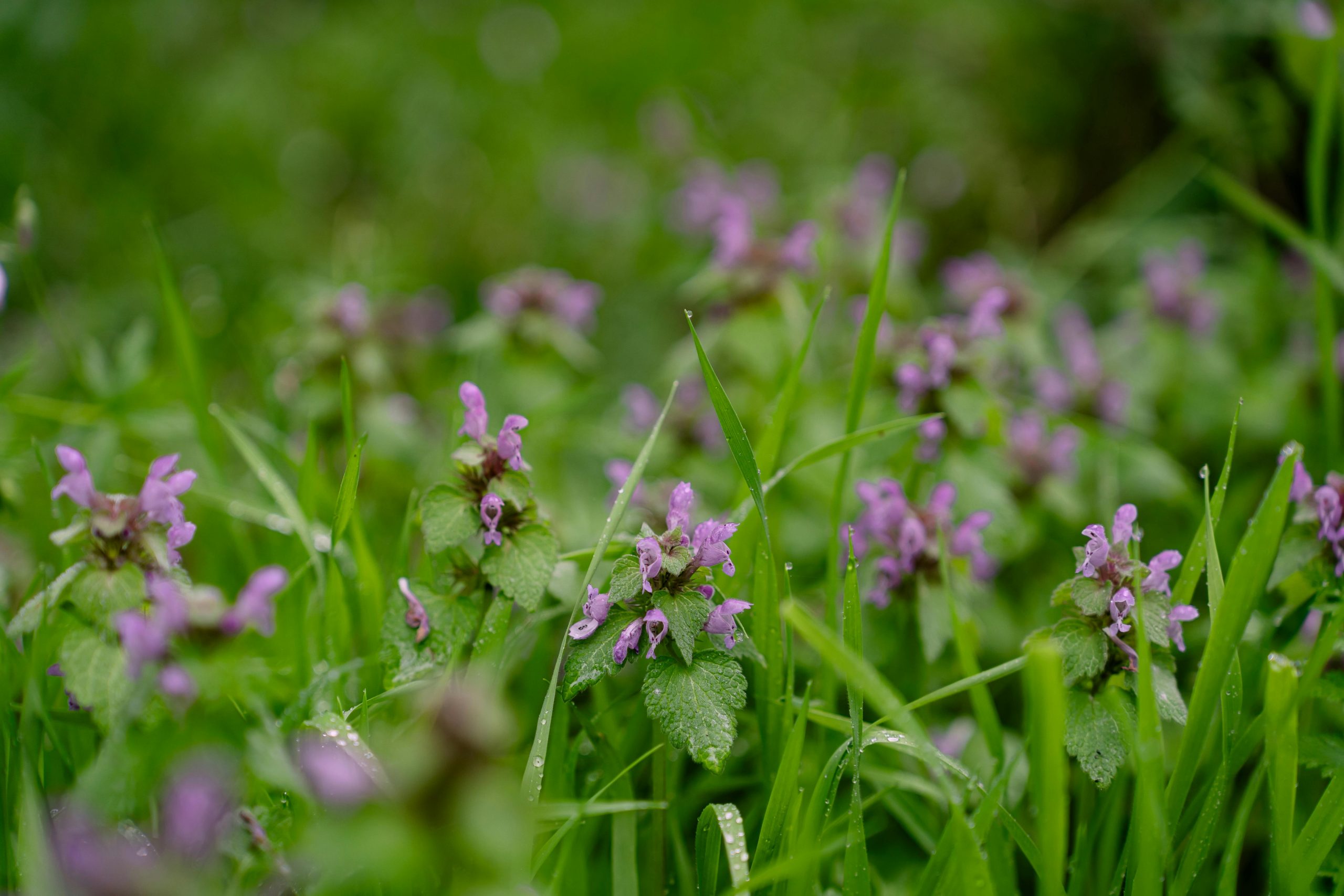
The Triangle’s mild climate is the perfect home for these weeds. Our inconsistent winter weather gives them plenty of chances to grow. When you see a patch of purple or a cluster of tiny white flowers, you’re seeing a weed that’s been in your lawn for months. Taking care of them in the winter means fewer problems in the spring.
Key Winter Weeds to Watch Out For
Keeping an eye out for these weeds is the first step in control. They each have distinct features that make them easy to spot.
- Henbit: Look for square stems and scalloped, hairy leaves that appear stacked on top of each other. It has signature purple flowers on top that are quite striking.
- Chickweed (Common): This one grows in dense, matted patches very close to the soil. It has small, egg-shaped leaves and produces tiny, star-shaped white flowers.
- Annual Bluegrass (Poa annua): A grassy weed, not a broadleaf. It’s light green with fine, boat-shaped tips and produces light seed heads even when mowed short.
- Purple Deadnettle: Often confused with henbit, its upper leaves are more triangular and distinctly purple-tinged. It also has a square stem and small purple flowers.
- Hairy Bittercress: This weed forms a rosette of leaves near the ground and shoots out stems with small white flowers. When seeds ripen, they “explode” away from the plant, spreading quickly.
The Science of Stopping Winter Weeds
Timing is everything when it comes to effective weed control. You need to treat them at two key moments: before they emerge and while they are small and vulnerable. Missing these windows leads to wasted time and money.
Pre-Emergent vs. Post-Emergent Control
Weed control is a two-part system that depends on the weed’s life stage. Understanding the difference is key to a successful lawn care program in the Raleigh, Durham, and Chapel Hill area.
| Control Type | When to Apply | What It Does | Target Weeds |
|---|---|---|---|
| Pre-Emergent | Late Summer / Early Fall (Soil below 70°F) | Creates a barrier that stops seeds from sprouting or germinating. | Poa annua, Henbit, Chickweed (Prevention) |
| Post-Emergent | Late Fall / Winter (Air 55°F+ and sunny) | Kills existing, actively growing weeds and broadleaf intruders. | Henbit, Chickweed, Dandelion (Active Treatment) |
Pre-emergent herbicide in the fall is the gold standard for stopping annual bluegrass and other winter annual weeds in North Carolina. It’s a preventive step that shuts down the problem before it starts. If you missed this crucial timing in September, post-emergent treatments are your winter and spring solution.
Post-emergent products work best on sunny, warmer winter days in the Triangle. The weed must be actively growing to absorb the product. Spraying when the air is too cold leads to poor control and wasted product.
Our lawn care team keeps an eye on soil conditions all winter long. When temperatures shift, we adjust treatment timing so homeowners get the best results instead of wasted effort.
Cultural Practices: Building a Resilient Lawn
A healthy, dense lawn is the best defense against any weed. Weeds look for weak spots. They thrive in bare soil, poor drainage, and thin turf. The long-term solution is to make your lawn a hostile environment for them.
- Mow High: Keep your grass taller (around 3 to 4 inches for fescue and about 1.5 to 2 inches for Bermuda). Taller blades shade the soil, blocking sunlight that helps weed seeds sprout.
- Feed Your Lawn: Proper, science-based fertilization at the right times builds a strong root system and dense blades. We apply nutrients strategically to feed the grass, not the weeds. Our fertilization treatments schedules are designed for North Carolina’s soil and climate, giving your turf exactly what it needs to thrive year-round.
- Watch the Water: Deep, infrequent watering encourages deeper roots. Shallow watering keeps the surface moist, which is exactly what winter weeds love.
Targeted Winter Weed Control Steps for the Triangle
Once a broadleaf weed like purple deadnettle or hairy bittercress is growing, you need a targeted post-emergent treatment. For homeowners in Cary, Apex, and Wake Forest, winter often brings stretches of sunny days. These are your best application windows. The herbicide needs warm, active plants to work effectively. We use professional-grade products that target broadleaf weeds without harming your turf grass.
Addressing Annual Bluegrass
Annual bluegrass (Poa annua) is one of the toughest winter weeds North Carolina homeowners face. Because it’s a grassy weed, most broadleaf herbicides will not control it, and it often develops resistance to common chemical products. A timely fall pre-emergent is the most reliable defense, creating a barrier that stops the seed from sprouting in the first place.
Once annual bluegrass becomes visible in your lawn, control becomes much harder and requires selective products applied under the right weather and soil conditions. Research from NC State Extension confirms that consistent pre-emergent timing, combined with good soil health and dense turf coverage, offers the best long-term suppression. TLC professionals apply these research-backed practices using precise timing and materials tailored to Triangle lawns for lasting, safe results.
What Happens If You Wait? The Cost of Delay
It’s tempting to think winter weeds will disappear on their own. After all, they die off when the summer heat hits. But waiting carries major hidden costs for your lawn’s health and your spring curb appeal.
- Massive Seed Drop: A single henbit plant can produce thousands of seeds that remain viable for years.
- Spring Invasion: Those seeds sit in your soil, ready to sprout next fall.
- Weakened Turf: While growing, weeds steal nutrients and sunlight from your turf grass, creating thin, bare patches that invite summer weeds like crabgrass.
A comprehensive, year-round approach ensures you break the life cycle. Delaying treatment almost guarantees a repeat infestation year after year.
Local Insight: The Aeration and Soil Advantage
Compacted soil is a major ally to winter weeds in North Carolina. The heavy clay soils in Raleigh, Durham, and Cary create poor drainage and thin turf, perfect for weed establishment.
Aeration and seeding in fall deliver major winter benefits for Triangle lawns. Aeration breaks up compacted clay, allowing water, air, and nutrients to reach grass roots where growth begins. This creates stronger, deeper root systems that hold up better through temperature swings and heavy rainfall. Seeding fills in thin or bare spots before weeds can move in, thickening your lawn for a fuller, more even look once spring arrives.
Soil pH balance plays a major role in turf health. Grass performs best near neutral, typically between 6.0 and 7.0. Weeds often take advantage of stressed or imbalanced soil. According to NC State Extension, lime applications help raise pH in acidic North Carolina soils, allowing grass to absorb nutrients more effectively and build natural resistance against weeds.
Expert Q&A: Your Top Winter Weed Questions
Q: Why do weeds seem to grow faster than my grass in the winter?
A: Most North Carolina lawns use cool-season grass like fescue or dormant warm-season types like Bermuda. Winter weeds are perfectly adapted to grow in cold conditions. They stay active while your turf slows, giving them a head start. Pre-emergent protection in the fall is key.
Q: When is it too late to spray a post-emergent herbicide?
A: Apply before the weed begins its final seeding process. Once a weed like henbit or chickweed is flowering heavily, post-emergent treatments are less effective. Aim for a sunny winter day above 55°F when the weed is actively growing.
Q: Can I just pull the weeds out by hand?
A: Hand-pulling works for small patches. But for larger infestations, it can expose new weed seeds to sunlight and cause more germination. A professional plan with proper products is the best long-term solution.
The TLC Premier Solution: Year-Round Protection
Managing winter weeds in North Carolina requires precise timing and professional-grade care. Our TLC Premier Plan handles this for homeowners across the Triangle, from Durham to Holly Springs to Wake Forest. We don’t just treat the weeds you see. We apply pre-emergents and targeted post-emergents at the exact times local soil and climate dictate. Our lawn care professionals monitor soil temperatures weekly to ensure peak effectiveness.
Our soil-first approach builds a stronger, healthier lawn that naturally resists weeds season after season. Each visit is timed to your turf’s growth cycle, creating lasting results that get better with every treatment. Learn more about our Year-Round Lawn Treatment Plan and discover why homeowners across the Triangle trust TLC for proven, research-based winter weed control and comprehensive lawn care.
Stop winter weeds before they take over your lawn. Get your free lawn evaluation today and let a TLC expert create a plan that builds healthier, thicker turf for the seasons ahead.